
Nine Lessons from the Life of Martin Bucer
DR. RICHARD HANNULA
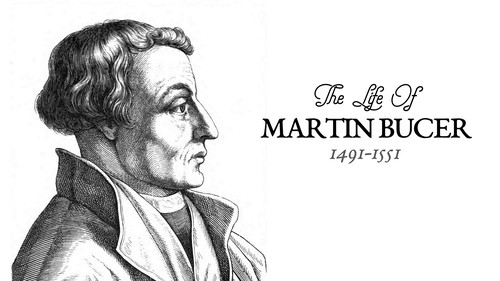
The following blog post is adapted from Dr. Richard Hannula's "Biography Sunday" sermon on the life of Martin Bucer, which you can watch here.
Martin Bucer isn’t a household name for many Christians today, but his life is a compelling reminder that the Lord often works through faithful, steady servants—especially in hard times. Bucer’s story is full of pastoral wisdom, courageous conviction, and a deep desire for the unity and health of Christ’s church. Here are nine things we can learn from the life of Martin Bucer:
1. God Often Works Through Ordinary, Faithful Conversations
In 1518, when Luther met Martin Bucer for dinner in Heidelberg, it was not a strategic—or even seemingly wise—use of Luther’s time. Many officials of church and state were declaring him a heretic and calling for his execution. There were influential men at the Heidelberg meeting who could have proved helpful to Luther, like bishops, abbots, and princes. Instead of networking with the powerful, Luther chose to spend an evening with a young, unknown monk from a rival monastic order. The Lord used it to save Bucer’s soul and launch him into a great ministry for the Evangelical church. So we never know how the Lord might use a conversation we have about the faith with anyone.
2. The Quiet but Powerful Witness of a Faithful Christian Marriage
The important witness of Martin and Elizabeth Bucer’s marriage should remind us of the witness that faithful Christian marriages can be. It should prod us to be in prayer for our own marriages, and especially for the marriages of our ministers.
3. The Weight and Difficulty of Pastoral Ministry
When reading his book about Christian ministry, Concerning the True Care of Souls, I was struck by a warning that Bucer gives to ministers in his book. After describing the privileges and responsibilities of being an under-shepherd of the Lord, he wrote: “There is no ministry more subject to ingratitude and rebellion than that of the care of souls.” That was a stark reminder of how difficult the work of Christian pastors can be, and how important it is for us as church members to be faithful to pray for, thank, and encourage our ministers in their difficult work.
4. Worship Should Be Thoughtful, Reverent, and Prayerful
Bucer urged his people to pray that they might worship the Lord with thoughtfulness, reverence, and joy. As creatures of habit, it’s so easy for us to participate in worship with very little thought and very little prayer. We are an informal and casual culture. But in the Scriptures, coming into the presence of God is never casual. Bucer urged his congregation to pray for the Spirit’s help—to be engaged in mind and heart—before they sing a hymn, hear the Word of God read and preached, or come to the Lord’s Supper. You can go online and read some of his thoughtful prayers for worship services. His Strasbourg Liturgy of 1539 is a good example.
5. Unity in the Fundamentals of the Christian Faith
Martin Bucer is best known for his striving for Christian unity. His advice—that we major on the fundamentals of the faith and not on secondary issues or trivial side concerns—is important for us to remember. He took seriously Christ’s prayer that believers might be unified with one another as He is with His heavenly Father. We should pray for the Spirit’s help to be people who encourage and build up the bonds of peace, not those who sow discord.
6. Responding to Disagreement with Christlike Gentleness
We live in an age that is not unlike the Reformation—an age when Christians who disagree with one another can be full of vitriol, quick to put the worst construction on the words of others, and eager to engage in personal attacks, especially online. Bucer is a wonderful example of following in the footsteps of Christ: turning the other cheek, and when reviled, not reviling in return.
7. The Importance of Mentoring the Next Generation
Martin Bucer mentored young pastors. He helped to start a seminary, and he found ministry opportunities for young men. Think of the abundant fruit that came from his patient mentoring of the young John Calvin. It should encourage older Christians to make themselves available to guide younger believers. It should also serve as an example for congregations to make it a priority to encourage young men in ministry and create mentoring or internship opportunities for them.
8. The Value of Private and Family Worship
Bucer was a great advocate for private and family worship. Many of us have often floundered in this area. Let me suggest a devotional book that has been a great help to me in approaching the Lord with reverence and joy in my private worship in the last few years: Be Thou My Vision by Jonathan Gibson. It is a book of 31 days of devotional prayers of praise, thanksgiving, confession, intercession, and more. The prayers come from all of church history and include some from Bucer, Luther, Zwingli, and the 1552 Book of Common Prayer that Bucer influenced. It also has readings from the great creeds and confessions of the church, and short pieces of sung praise like the Gloria Patri.
9. Persevering Faithfulness in the Midst of Suffering and Disappointment
Finally, Martin Bucer is a fine example of pressing on in the Christian life in the midst of great disappointments and heartaches—including the death of his wife and children, enduring years of significant health problems, seeing many of his efforts bear little visible fruit, and being driven from his home and ministry. But through it all, he continued to serve the Lord until his dying day. And we should seek to do the same.