
Do You See The Light?
RYAN KNIGHT
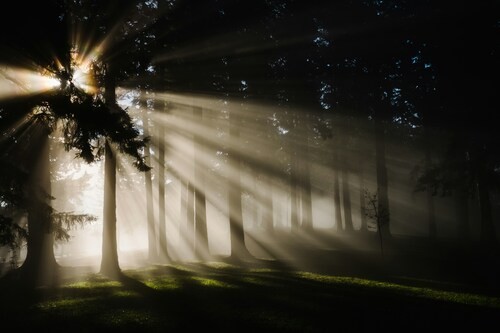
“Again Jesus spoke to them, saying, ‘I am the light of the world. Whoever follows me will not walk in darkness, but will have the light of life.’” — John 8:12
Have you ever tried to get dressed in the dark?
I can think of plenty of early mornings I’ve gotten up before everyone else and tried to get ready without turning on the lights. I convince myself I can see well enough. I know where everything is. I know what these clothes look like. I’ll be fine. And then I step into the light.
Suddenly, the shirt and pants that seemed perfectly acceptable in the darkness don’t match at all. Or I’ve grabbed two completely different socks. Even worse, I discover I’ve somehow put on two different shoes.
Getting dressed in the dark is less than ideal and occasionally embarrassing. But something is interesting about darkness: if we’re in it long enough, we can convince ourselves we see better than we actually do. Until someone turns on the light, that is.
What do you do when the light reveals that you were wrong? Do you pretend the mistake was intentional? Defend what you chose? Or do you admit that you couldn’t see as clearly as you thought and embrace what the light is showing you?
Light doesn’t simply help us see what is around us. Light reveals reality. It shows us what was already there but hidden from our sight.
That simple picture gets surprisingly close to what we find in John 8. Jesus stands before religious leaders who are convinced they see clearly. They know the Scriptures. They know Israel’s history. They know the Law. They are confident they understand the God of the Torah. And yet, Jesus says to them: “I am the light of the world. Whoever follows me will not walk in darkness, but will have the light of life.”
What follows is one of the great ironies of John’s Gospel: the Light of the World is standing directly in front of those who should recognize him, yet they cannot see him.
Previously in John, we found Jesus in Jerusalem during the Feast of Booths, an annual celebration remembering God’s provision for Israel during their wilderness journey. At the climax of the feast, with the imagery of water all around them, Jesus cried out, “If anyone thirsts, let him come to me and drink” (7:37). Everything the feast had pointed toward—God’s provision, his promises, and the hope of life—was now being fulfilled in Jesus.
But water was not the only powerful image associated with the feast. There was also light. The celebration included the lighting of enormous lamps in the temple courts. In an ancient city without streetlights, neon signs, or illuminated skylines, the effect would have been striking. Light spilling out from the temple would have pushed back the darkness of the Jerusalem night.
And light carried even deeper meaning for Israel. From the beginning of Scripture, light had been associated with God’s presence and saving work. God spoke light into darkness at creation. He led Israel through the wilderness by a pillar of fire. Isaiah looked forward to the day when “the people who walked in darkness have seen a great light” (Isaiah 9:2), and promised that God’s servant would become “a light for the nations” (Isaiah 49:6).
Israel had been surrounded by signs pointing toward the Light they ultimately needed. And now Jesus stands before them and says, in effect, “Everything you have been waiting for is here.” Jesus doesn’t say, “I can show you where the light is.” Or, “I have brought light from God.” He says, “I am the light of the world.”
And yet the Pharisees’ response is not worship; it is argument. “You are bearing witness about yourself,” they tell him. “Your testimony is not true” (8:13).
From there, the passage begins to sound almost like a courtroom. The religious leaders question Jesus’ testimony. They dispute his witnesses. They challenge his authority and identity. They think Jesus is on trial. But as the conversation unfolds, something else becomes clear: The Light is actually exposing them.
Light can be comforting, but it can also be uncomfortable. When the light comes on, it reveals things we would rather leave hidden. And that is the frightening part of this passage for us.
It is easy to read John 8 and wonder how these religious leaders could miss Jesus. How could they stand before the Light of the World and still refuse to see? But a better question is: Where have I become convinced that I can see just fine without Jesus?
We can know our Bibles, attend church regularly, participate in Community Group, serve faithfully, and still resist Jesus when his words expose something we would rather keep in the dark. We can protect our assumptions, our habits, our desires, and even our religious confidence from the uncomfortable clarity of his light. We can resist the Word of God when it challenges, convicts, or calls us to change. And we can do this together as a church too.
A community can become very good at reinforcing its own blind spots. That is why we need more than each other’s opinions. We need Christ and his Word continually shining into our lives, revealing what is true and leading us together.
Jesus does not merely offer us better vision. He offers himself.
“Whoever follows me will not walk in darkness, but will have the light of life.”
Let’s heed Jesus’ invitation and step into the light. Let him expose what needs to be exposed. Let him correct what you thought you could already see. Let him lead where you would rather go your own way. And follow him.
Because apart from the Light of the World, we are all getting dressed in the dark.
Have you ever tried to get dressed in the dark?
I can think of plenty of early mornings I’ve gotten up before everyone else and tried to get ready without turning on the lights. I convince myself I can see well enough. I know where everything is. I know what these clothes look like. I’ll be fine. And then I step into the light.
Suddenly, the shirt and pants that seemed perfectly acceptable in the darkness don’t match at all. Or I’ve grabbed two completely different socks. Even worse, I discover I’ve somehow put on two different shoes.
Getting dressed in the dark is less than ideal and occasionally embarrassing. But something is interesting about darkness: if we’re in it long enough, we can convince ourselves we see better than we actually do. Until someone turns on the light, that is.
What do you do when the light reveals that you were wrong? Do you pretend the mistake was intentional? Defend what you chose? Or do you admit that you couldn’t see as clearly as you thought and embrace what the light is showing you?
Light doesn’t simply help us see what is around us. Light reveals reality. It shows us what was already there but hidden from our sight.
That simple picture gets surprisingly close to what we find in John 8. Jesus stands before religious leaders who are convinced they see clearly. They know the Scriptures. They know Israel’s history. They know the Law. They are confident they understand the God of the Torah. And yet, Jesus says to them: “I am the light of the world. Whoever follows me will not walk in darkness, but will have the light of life.”
What follows is one of the great ironies of John’s Gospel: the Light of the World is standing directly in front of those who should recognize him, yet they cannot see him.
Previously in John, we found Jesus in Jerusalem during the Feast of Booths, an annual celebration remembering God’s provision for Israel during their wilderness journey. At the climax of the feast, with the imagery of water all around them, Jesus cried out, “If anyone thirsts, let him come to me and drink” (7:37). Everything the feast had pointed toward—God’s provision, his promises, and the hope of life—was now being fulfilled in Jesus.
But water was not the only powerful image associated with the feast. There was also light. The celebration included the lighting of enormous lamps in the temple courts. In an ancient city without streetlights, neon signs, or illuminated skylines, the effect would have been striking. Light spilling out from the temple would have pushed back the darkness of the Jerusalem night.
And light carried even deeper meaning for Israel. From the beginning of Scripture, light had been associated with God’s presence and saving work. God spoke light into darkness at creation. He led Israel through the wilderness by a pillar of fire. Isaiah looked forward to the day when “the people who walked in darkness have seen a great light” (Isaiah 9:2), and promised that God’s servant would become “a light for the nations” (Isaiah 49:6).
Israel had been surrounded by signs pointing toward the Light they ultimately needed. And now Jesus stands before them and says, in effect, “Everything you have been waiting for is here.” Jesus doesn’t say, “I can show you where the light is.” Or, “I have brought light from God.” He says, “I am the light of the world.”
And yet the Pharisees’ response is not worship; it is argument. “You are bearing witness about yourself,” they tell him. “Your testimony is not true” (8:13).
From there, the passage begins to sound almost like a courtroom. The religious leaders question Jesus’ testimony. They dispute his witnesses. They challenge his authority and identity. They think Jesus is on trial. But as the conversation unfolds, something else becomes clear: The Light is actually exposing them.
Light can be comforting, but it can also be uncomfortable. When the light comes on, it reveals things we would rather leave hidden. And that is the frightening part of this passage for us.
It is easy to read John 8 and wonder how these religious leaders could miss Jesus. How could they stand before the Light of the World and still refuse to see? But a better question is: Where have I become convinced that I can see just fine without Jesus?
We can know our Bibles, attend church regularly, participate in Community Group, serve faithfully, and still resist Jesus when his words expose something we would rather keep in the dark. We can protect our assumptions, our habits, our desires, and even our religious confidence from the uncomfortable clarity of his light. We can resist the Word of God when it challenges, convicts, or calls us to change. And we can do this together as a church too.
A community can become very good at reinforcing its own blind spots. That is why we need more than each other’s opinions. We need Christ and his Word continually shining into our lives, revealing what is true and leading us together.
Jesus does not merely offer us better vision. He offers himself.
“Whoever follows me will not walk in darkness, but will have the light of life.”
Let’s heed Jesus’ invitation and step into the light. Let him expose what needs to be exposed. Let him correct what you thought you could already see. Let him lead where you would rather go your own way. And follow him.
Because apart from the Light of the World, we are all getting dressed in the dark.
Study Questions
REAP: READ, EXAMINE, APPLY, PRAY
Read:
Examine:
Apply:
Pray:
Additional Reading:
Read:
- Slowly read John 8:12–30. What words, phrases, or ideas are repeated throughout the passage?
- Who is Jesus speaking to? How do they respond to his claim that he is “the light of the world”?
- Notice these words in the passage: light, testimony, judgment, above, below. What are the contrasts Jesus is drawing?
- According to verse 12, what does Jesus promise to the person who follows him?
Examine:
- Read John 1:4–5, 1:9–11, and 3:19–21. How has John already prepared us for Jesus’ statement, “I am the light of the world”? What do these passages teach us about why some people welcome the light while others resist it?
- The Pharisees respond as though they are examining Jesus’ testimony in a courtroom (vv. 13–18). As the conversation continues, how does Jesus turn the examination back on them? What does he expose about the way they see God, themselves, and Jesus?
- Read verses 23–24 carefully. How does Jesus describe the difference between himself and those questioning him? Why is the issue ultimately not simply whether they understand his teaching, but whether they believe in him?
Apply:
- Darkness can make us think we see more clearly than we actually do. Where are you most tempted to trust your own understanding rather than allowing Jesus and his Word to show you what is true?
- Light can both comfort and expose. How have you experienced both of those realities in following Jesus? Is there anything in your life right now—a habit, desire, relationship, fear, attitude, or assumption—that you would rather keep out of the light?
- Jesus says, “Whoever follows me will not walk in darkness.” Where might Jesus currently be asking you not merely to agree with him, but to follow him?
- We can reinforce one another’s blind spots just as easily as we can help one another see. What would help your Community Group, and our church as a whole, become a place where we lovingly invite one another into the light of Christ and his Word?
Pray:
- Praise Jesus for being the true Light of the World. He is the fulfillment of God’s promises and the One who reveals the Father to us.
- Ask the Holy Spirit to expose places where you have become comfortable with darkness or overly confident in your own ability to see.
- Confess anything Christ has brought into the light, trusting that the One who exposes our sin is also the One who came to save us from it.
- Pray for your Community Group and our church—that we would be people who welcome the light of Christ, lovingly help one another walk in it, and reflect his light to a world still walking in darkness.
Additional Reading:
- Read Exodus 13:21–22, Psalm 27:1, Isaiah 9:2, and Isaiah 49:6. What does light represent in these passages? How do they deepen your understanding of what Jesus is claiming about himself in John 8:12?
- Read John 9:1–7, 35–41. Soon after declaring himself the Light of the World, Jesus gives sight to a man who was born blind. By the end of the chapter, who truly “sees” Jesus and who remains blind? How does this story illustrate what is happening spiritually in John 8?
- Read Psalm 27:1-6. What does Jesus’ claim to be “the light of the world” suggest about who he is, especially in light of Psalm 27?